Moving-house rubbish: a two-week clearance planning schedule
Plan unwanted furniture and rubbish before a West Yorkshire house move, with a practical schedule for reuse enquiries, collection access and unresolved items.
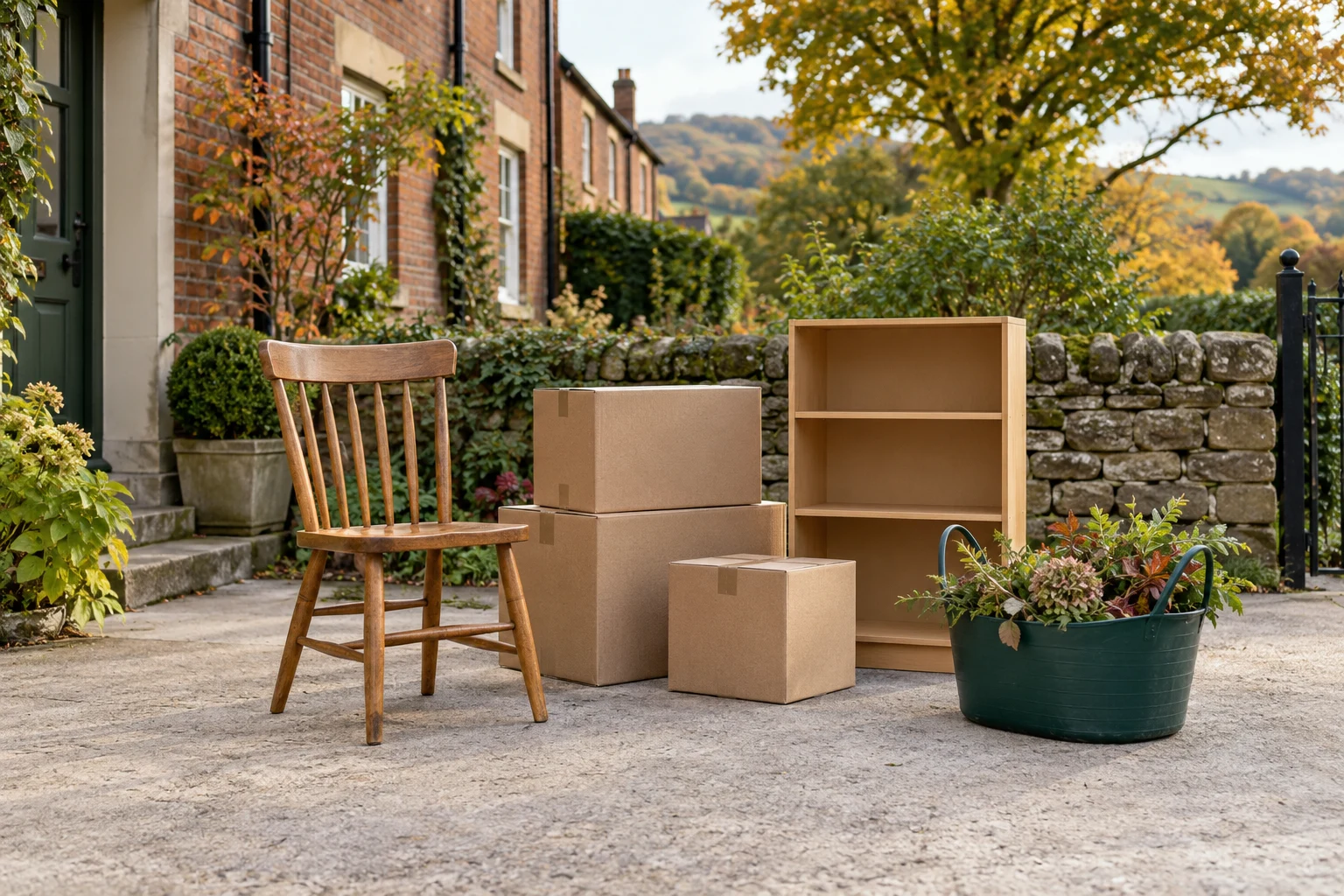
Before moving home, decide which belongings are coming with you and which need a separate destination. Then work backwards from the date when you must leave the property. A collection request is easier to organise when it names the actual items, their condition, the available access and the date they become available. Waiting until the removal van arrives can leave you trying to make those decisions while everyone is already carrying boxes.
This two-week schedule is a practical framework for households in West Yorkshire, including Leeds, Bradford, Wakefield, Huddersfield and Halifax. It is not a promise that a council, charity or private provider can attend within fourteen days. Some arrangements need longer. If you have more time, start sooner; if you have less, use the decision order rather than treating the suggested days as appointment availability.
The aim is to give every unwanted item an accepted destination while protecting the things you still need. Reuse enquiries, waste collection, retailer arrangements and your household move may involve different organisations. Keep their responsibilities and dates clear. The household waste planning guide explains the main routes; this article concentrates on fitting those routes into a move.
Fourteen days before: agree the final date and the decisions
Write down the date by which the home needs to be ready for handover, together with any agreed access arrangements. Confirm those arrangements with the appropriate people rather than relying on what happened during your last move. This guide does not decide responsibilities under your tenancy, sale or moving contract. The useful first step is knowing the actual deadline and who can authorise decisions about the contents.
Make a room-by-room list with four decisions: moving with you, offered for reuse, proposed waste collection and awaiting a decision. Give large items their own reference. For small belongings, define a group clearly enough that another person can identify it. “Kitchen cupboard contents” is too vague if some of those contents still need to be packed for the new home.
Ask everyone whose possessions are involved to confirm their decisions. A chair in a shared hallway may belong to another resident. A cabinet supplied with a rented home may not be yours to remove. Keep uncertain ownership on the unresolved list until the person with authority answers. Do not make an unwanted-item pile out of belongings that somebody else has not released.
Set aside the essentials for the final days: bedding, medicines, chargers, keys, identification, important paperwork and ordinary items you still use. Choose an identifiable location that the moving team and any collection team can recognise. A box labelled for the new home should not stand among bags that are being removed as waste. Explain your system to anyone helping with the move.
The list does not need to be complicated. Each entry needs a description, the decision, a proposed destination and the next action. Add a date only when someone has confirmed it. That distinction makes an enquiry visible as an enquiry instead of turning it into an imaginary booking. You can then see which items could still be present when the property is due to be handed over.
Twelve days before: make reuse enquiries with an alternative in mind
For furniture or other belongings that may be reusable, contact a suitable recipient early. Describe the item honestly, including visible damage, dimensions and any missing parts. Ask whether they accept that particular item and whether they offer collection or require you to deliver it. A positive response to a photograph does not necessarily reserve a vehicle or establish final acceptance.
Revive Reuse lists locations in West Yorkshire, including Leeds and Huddersfield, and is one starting point for local reuse enquiries. Check current acceptance and arrangements directly. Its presence in the region does not mean every item is accepted or that a household collection is available for your address. Other recipients may have different requirements, so ask about your actual belongings rather than assuming the same policy everywhere.
Give each proposed reuse item a decision date. If the arrangement remains unconfirmed by then, decide what alternative you can realistically arrange. Keep that alternative lawful and appropriate for the material. Do not book two people to collect the same item without explaining the situation and resolving which arrangement will proceed. Duplicate commitments waste time and can leave someone travelling for an item that has already gone.
For a private sale or giveaway, agree the collection details and record when the item actually leaves. Avoid treating a message of interest as completed removal. If the item is essential until the last night, explain that before making the arrangement. A recipient who can only attend earlier may not fit your move, even if the furniture itself is acceptable.
Keep proposed reuse items in a suitable condition while decisions are pending. Do not put absorbent furniture outside simply to create floor space without checking weather and the agreed collection requirements. Describe any change in condition to the intended recipient. The alternative waste provider also needs to know the condition they will actually encounter rather than relying on an earlier photograph.
Ten days before: choose routes that fit the property and timing
Check your own council's current services, household recycling-centre rules and any available bulky-item collection. Rules can differ between West Yorkshire authorities and between services within the same authority. Your new address does not automatically determine the service for waste still at the old home. Use the address where collection or site eligibility needs to be established.
Timing can affect eligibility as well as convenience. For example, Leeds council's unwanted-item service says it collects only from occupied properties and only takes the items on the booking. Its page allows booking up to four weeks ahead but does not guarantee an available appointment. A move therefore needs the actual collection and occupancy conditions resolved, rather than an assumption that belongings can be left after you leave.
The Leeds page also asks for booking changes at least seven working days before collection. Working days are not the same as calendar days, so a two-week planning window can become tight. These are Leeds service conditions, not a rule for every council or private provider. The Leeds bulky collection guide explains that route in more detail.
If arranging a private waste collection, use the GOV.UK household waste guidance and check the appropriate carrier registration. It directs households using a private waste business to the upper-tier register, and gives a different lower-tier check for charity collections. A convenient date does not remove the need to check who will take the waste.
Keep the household move distinct from waste removal. Ask your removal company what its agreed service covers, and do not assume that spare space in the moving van includes disposal of unwanted items. A business transporting your retained possessions has a different instruction from a provider accepting waste. If one company offers both services, ask for the responsibilities and accepted scope to be clear.
Eight days before: describe the collection as it will happen
Prepare a quotation request from the current unwanted-item list. Give quantities and useful dimensions for large items, then describe where they will be on the collection date. A sofa photographed in a downstairs room should not be quoted as an outdoor collection if you expect the team to carry it from inside. State stairs, lift availability, shared access and any relevant restrictions.
Use a few clear photographs of the items and access route. Remove personal paperwork or screen information from view before taking the picture. The waste photography guide explains how to make photographs useful without guessing the load size. Images support the written list; they should not replace the decision about what is actually being released.
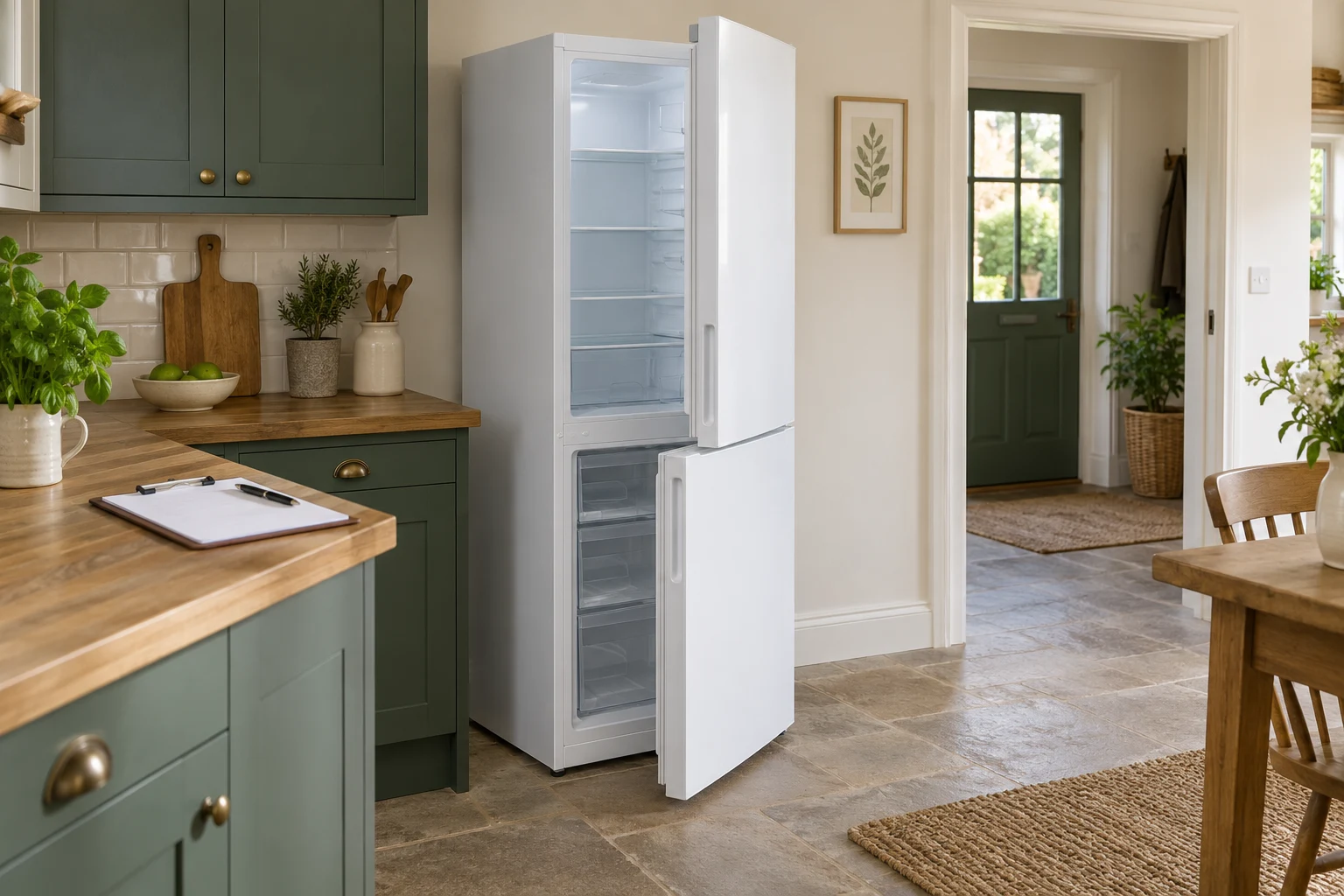
Identify electrical appliances separately and say whether preparation or disconnection still needs to be arranged. Do not assume a general waste team provides electrical or plumbing work. For a fridge or freezer, keep the appliance destination and preparation timing separate from the food you still need during the move. The fridge-freezer disposal guide sets out the collection questions without offering technical disconnection instructions.
Mention unknown containers, chemicals or specialist materials as separate acceptance questions. Do not hide them in bags described as general rubbish. If you cannot identify an item safely from existing information, say that it is unknown and ask about a suitable review route. A household move is not a reason to open, mix or alter material to make it fit a standard collection description.
Ask the provider to confirm what is accepted, what is excluded, the collection position and how changes are handled. Keep the quote and booking reference together with the item list. The quote comparison guide helps you compare the same scope across providers. No average moving-house clearance price is assumed here: the actual material, volume, access and accepted service determine the enquiry.
Five days before: close gaps in the destination list
Review every item whose destination is still pending. Follow up a reuse enquiry, check an appointment confirmation or resolve the ownership question that has been sitting on the list. The point is to identify unfinished arrangements while there is still time to respond. Do not wait until the last day to discover that a proposed recipient never agreed to collect.
Check that confirmed dates sit in a workable order. Furniture needed for the last night cannot leave before you have an alternative. A collection position may be inaccessible while the moving vehicle is using the drive. If two teams attend the same day, explain the arrangement and agree how access will work. You cannot promise a shared loading area to both teams without checking who controls it.
Make a short exception plan for an item that is not accepted or an appointment that changes. Identify who you would contact, whether an alternative destination has actually accepted the item and what access remains available. Do not invent an emergency capacity guarantee. If no workable arrangement exists, raise the unresolved situation with the appropriate people before handover instead of assuming waste can remain in a communal area.
Tell the collection provider about additions and changes through its stated process. Keep the latest approved list clear. For the Leeds council route, check the current amendment deadline rather than presuming an online edit is still available. A collection crew may be instructed to take only what was booked, even when extra items seem small to you.
Check normal household bins as part of the plan, but use them according to the council's accepted materials and collection arrangements. Do not treat the space left in a bin as proof that every material belongs there. Keep specialist items separate and ask about their appropriate route. Your final clean-up should follow the same material decisions as the larger clearance.
Two days before: protect the retained items and confirm access
Walk through the home with your list and mark what remains for each team. Keep retained possessions and unresolved items away from the clearly identified collection area where possible. Tell helpers that a closed cupboard or unlabelled bag is not an invitation to decide on your behalf. If somebody is supervising for you, give them the current instructions and a way to reach the decision maker.
Confirm collection access, gates and the agreed presentation time. Follow the particular provider's preparation requirements rather than copying another service's rules. Avoid moving heavy items yourself merely because the deadline is approaching; ask the provider to confirm the removal arrangement for the actual job. This guide cannot assess whether an item can be moved safely through your stairs or doorways.
For confidential household paperwork, separate what you need to retain from material you intend to dispose of through an appropriate secure route. Do not include readable personal details in quotation photographs. For devices, arrange the appropriate information and account review before they leave. The waste collection appointment should not become an improvised attempt to decide what important records can be lost.
Keep the collection reference, agreed list and contact details somewhere you can still find them after the main boxes are packed. Download or save the confirmation if needed. On a busy moving day, searching through email while standing outside is avoidable. A short accessible record makes it easier to answer a question about the booked item or agreed collection position.
Collection day: record what leaves and what remains
When moving and waste collection overlap, use separate handover lists for each team. Match the retained belongings to the move list and the accepted unwanted items to the waste list, with a clear contact for questions. A box standing near the exit can otherwise appear ready for either vehicle. Give helpers the current lists and ask them to report any contradiction before an item leaves. Keep the essential last-day belongings identifiable in the household's plan. If one team finishes first, record its completed scope rather than changing the remaining instruction from memory. This is a coordination check, not permission to add waste to a moving service or retained possessions to a collection that has not accepted them.
Before removal starts, confirm the agreed items with the person collecting them. Point out anything retained or on hold. If an item has changed in condition or location, discuss that change before loading rather than assuming the original quotation still covers it. Keep questions about acceptance and price with the person authorised to agree them.
Record which items actually leave and which remain. Ask for the agreed receipt or collection confirmation and keep it with the booking details. An item still in the hallway needs an explicit next action, even if the rest of the job is finished. If the collection does not happen, contact the provider through its stated missed-collection process and check the implications for your move.
Do a final room-by-room walk that includes cupboards, outside storage and areas you were entitled to use. This is a check against your own list, not permission to remove another person's belongings or fixtures. Reconcile the remaining possessions with the moving inventory and close the unresolved items before considering the clearance complete.
A fictional move with one delayed donation
Imagine a household leaving a flat with a sofa, a small dining table and an old fridge that will not go to the new home. The table has an agreed recipient; the sofa only has an unanswered enquiry. The household records those as different states. It requests a separate accepted appliance route rather than assuming the furniture recipient takes electrical equipment.
When the sofa enquiry remains unresolved at the chosen decision date, the household asks a suitable waste provider about that item and the flat's access. It confirms the accepted list and timing before treating the arrangement as booked. The table recipient then changes their date, so the household checks that the new appointment still fits access and handover. No item is committed to two collectors at once.
This is an illustrative scheduling example, not an actual Yorkshire Waste Solutions collection, quoted price or guarantee. Its lesson is that a proposed destination needs confirmation and a change needs a new decision. The list makes those unfinished decisions visible while there is time to respond.
Prepare your move enquiry
Bring together the unwanted-item list, condition photographs, collection address, access description and the date constraints. State which items still need specialist acceptance and which must stay until later in the move. That gives a provider a useful starting point for discussing a real collection.
You can register with YWG and save collection details, photos and access information in a private listing draft. YWG is opening soon. Live collection booking and payment are not yet available. Use the schedule to prepare your information, and check actual service availability, accepted materials and dates before relying on any arrangement for your move.
Sources & editorial note
- GOV.UK: household disposal routes and carrier checks
- Leeds City Council: booking timing, occupancy and changes
- Revive Reuse: West Yorkshire locations and enquiries
Original flexible two-week schedule and fictional example. Not guaranteed lead time; Leeds occupied-property and working-day amendment constraints restricted to that service. Reuse acceptance and collection conditional. No tenancy advice, fabricated tariff, hazardous handling procedure or actual YWS capacity claim. Primary sources inspected 3 October 2026. YWG is opening soon.
AI-assisted original editorial content, checked against the sources above. No professional qualification or firsthand YWS job experience is claimed.