Hotel bulky waste: room refits and mattresses
Plan hotel bulky waste collections around room refits: separate mattresses, seating and appliances, phase release dates and confirm guest-area access.
A hotel room refit creates a scheduling problem as well as a waste problem. Old mattresses, chairs, bed bases, lamps and packaging may become available on different days, while guests still need quiet corridors and the housekeeping team still needs access. A useful hotel bulky waste brief describes that sequence. It should not present every room's contents as one anonymous load.
For hotels in Leeds, Bradford, Wakefield, Huddersfield and across West Yorkshire, the practical starting point is a room-by-room inventory linked to the refurbishment programme. This guide explains how to separate retained assets from waste, distinguish mattresses from upholstered seating and agree collection responsibilities. The workflow is an original planning method; it does not establish a YWS tariff, service coverage or guaranteed recovery route.
Begin with the release decision
An item should enter the clearance inventory only after the hotel has decided what is happening to it. A bedside table may move to another room, a chair may remain in service and a mattress may be waiting for inspection. Use clear statuses such as retain, assess for reuse, authorised for waste collection and awaiting a decision. Those labels prevent a contractor from treating everything in a refurbishment area as waste.
Record who can authorise each status. A room contractor may know that a bed is being replaced without having permission to dispose of a hotel-owned asset. A housekeeping supervisor may identify damage but need approval for the final decision. Agree the route for questions before the first collection. The clearance team should not have to interpret an unsigned note left on a chair.
If reuse is proposed, confirm the recipient's acceptance and any suitability requirements before planning transport. Do not describe an unconfirmed donation as completed recycling or assume a charity will accept every item. A waste collection booking and a transfer of an item retained for use are different arrangements. Keep the decision and receiving route explicit in the inventory.
Build an inventory that follows the rooms
Give each room or refurbishment zone a reference that staff already recognise. List item types and quantities separately: mattresses, bed bases, headboards, desks, seating, electrical equipment and packaging. Include dimensions where they affect access or loading. A note saying twelve rooms does not tell the provider whether the project involves twelve single mattresses or several large suites with additional furniture.
Use the inventory to show availability dates. Some items may be released after a supplier delivers replacements, while others leave only when a contractor completes work. Record the earliest confirmed release and the latest collection needed for each zone. Avoid replacing those two dates with the general phrase urgent refit, which gives a provider little basis for planning.
Include an exception field for damaged, unfamiliar or potentially specialist items. Describe visible condition without cutting materials open to identify their construction. A broken lamp, leaking appliance or unidentified container should trigger a separate assessment rather than remain hidden under room contents. Photos can help, but the written inventory remains the control for what has actually been authorised to leave.
Distinguish upholstered seating from mattresses
The Environment Agency's guidance on waste upholstered domestic seating containing POPs concerns particular seating and persistent organic pollutants. Its scope is about the item type, not simply whether the building is someone's home. A domestic-style upholstered chair used in a guest room should therefore be raised with the provider rather than dismissed as outside the issue because it came from a hotel.
The guidance excludes mattresses and certain other items from that particular domestic seating scope. This does not mean mattresses are proven free of POPs or that every non-seating item can follow an ordinary mixed route. Describe mattresses, bed bases and seating separately and ask the provider to confirm how each will be assessed and accepted. An exclusion from one guide is not a universal disposal certificate.
Do not cut upholstery, remove foam or mix suspect seating with other material to make a load smaller. This article is a collection planning guide, not a chemical identification or treatment procedure. If a provider requires a specialist route, keep the item identifiable and agree the next steps with people competent to assess and handle it. Avoid promising reuse or material recovery before suitability has been established.
Create a mattress-specific record
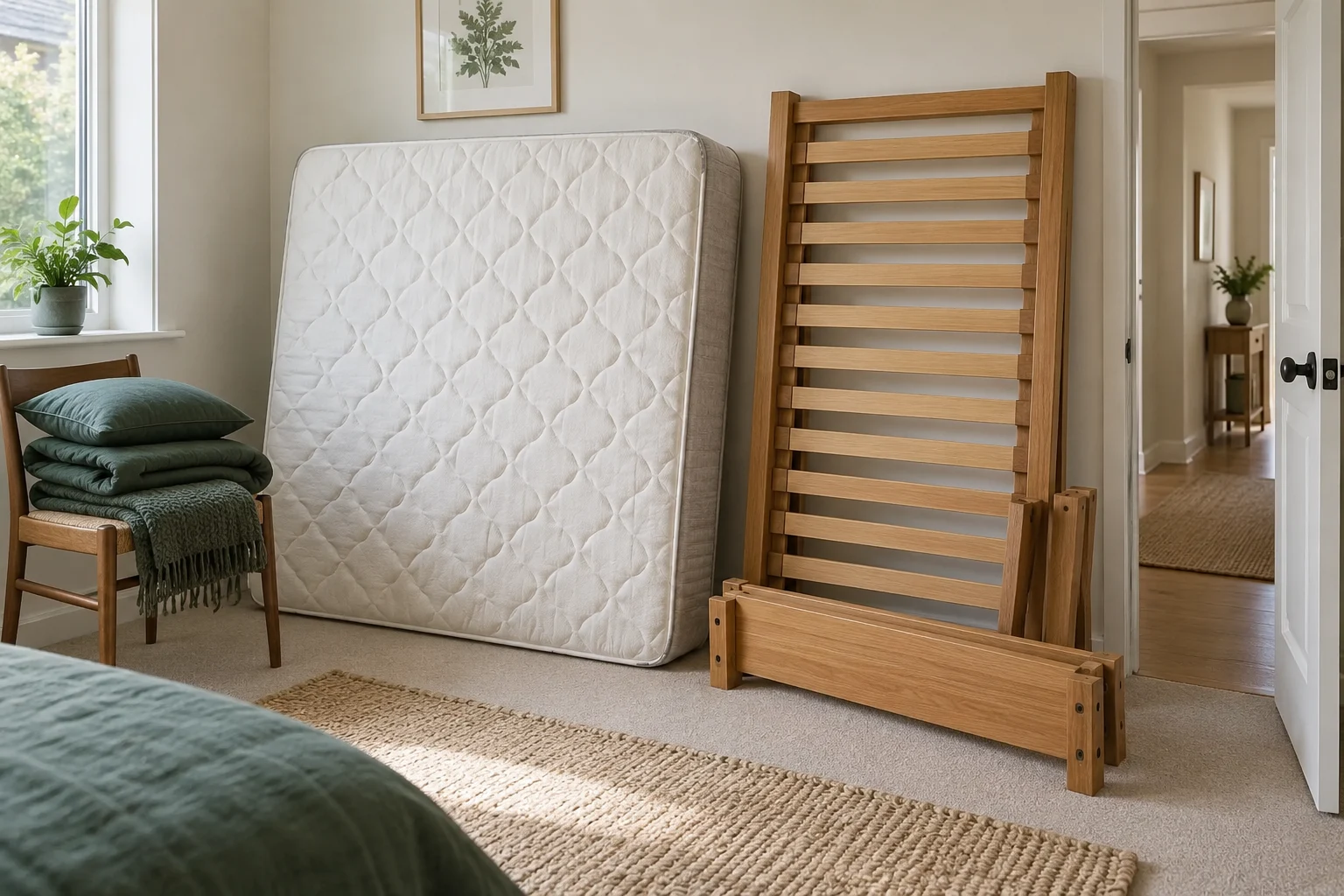
For each mattress group, record the number, size, location, condition and any preparation requested by the confirmed collector. Distinguish mattresses from toppers, bed bases and loose bedding. A provider quoting for mattress collection needs an accurate count rather than a rough estimate based on the number of beds in the hotel. Some rooms may have sofa beds or spare bedding stored elsewhere.
Record the route from the room to collection, including floor level, lift availability and doors along the route. Do not assume a passenger lift is suitable for moving every bulky item. The hotel should confirm access arrangements and relevant site restrictions with the responsible staff and collection provider. A room number alone says nothing about the physical task involved.
Keep mattresses dry and protected according to the agreed collection instructions, without improvising preparation that creates additional handling risks. Explain any infestation concerns or unusual contamination before requesting a route. The existing mattress disposal guide expands the inventory questions. It should not be used to assume that a household collection arrangement is suitable for a hotel.
Separate electrical items and building work
Room refits often include televisions, kettles, lamps, fridges and electronic access equipment. List them separately from furniture, with the item type and relevant condition. If equipment contains stored information or is part of the hotel's managed systems, obtain the appropriate internal decision before release. A collection crew should not be expected to decide whether a device is safe to dispose of from its appearance.
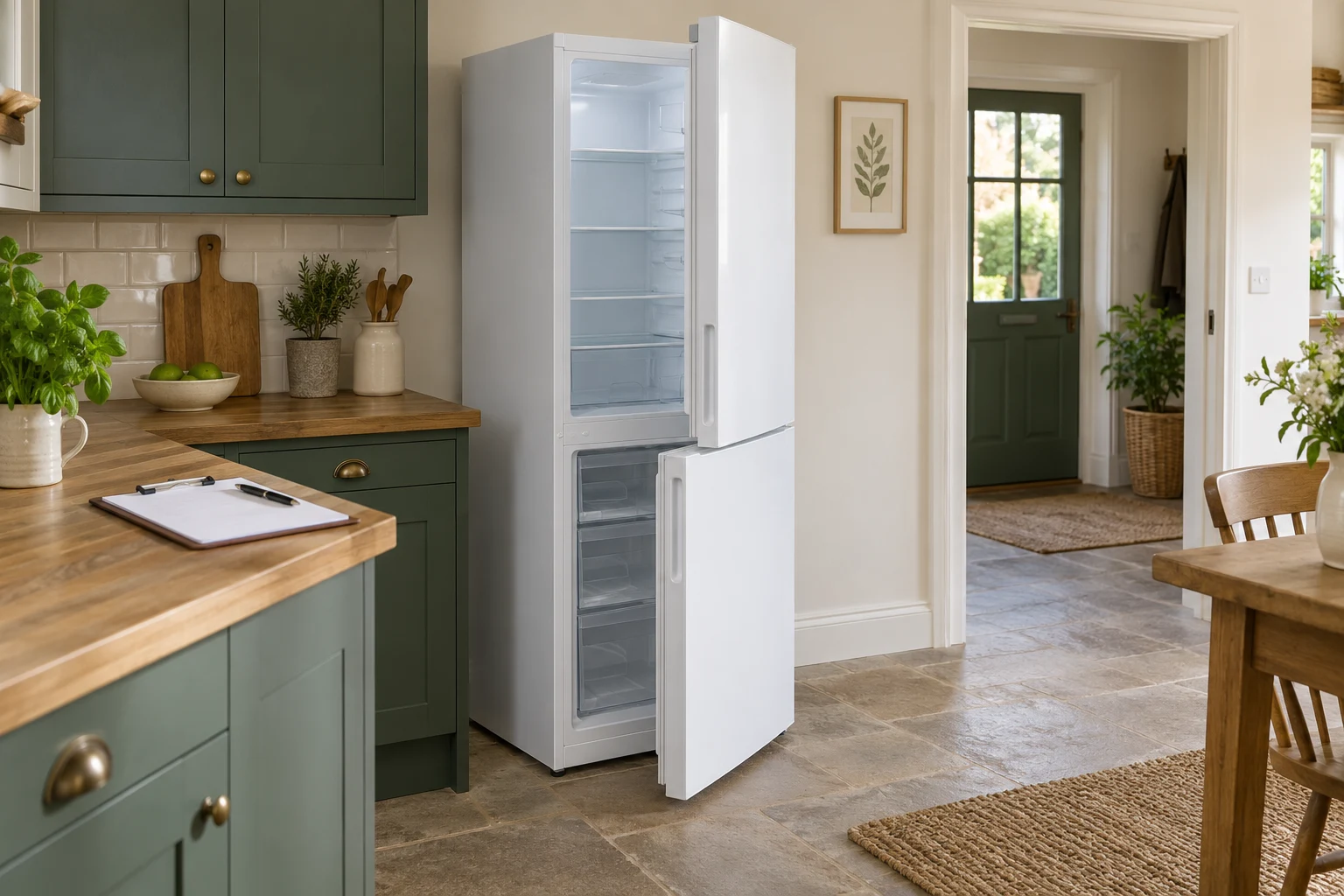
Mini-fridges and other refrigeration equipment need clear identification and an agreed handling route. Do not remove components or describe the appliance as scrap metal alone. Our fridge and freezer guide explains useful preparation questions. Its consumer-oriented examples do not confirm a retailer take-back service for commercial hotel equipment.
Keep refurbishment waste produced by trades separate in the project records. Flooring, stripped fittings, paint containers and construction debris can have different producers, contractual responsibilities and acceptance requirements. Establish who is arranging each route rather than assuming the hotel's furniture collector will take anything the building contractor leaves behind. A mixed project still needs material-specific decisions.
Plan waves instead of one final pile
Divide the programme into collection waves that reflect actual item release. One floor may finish before another, or a contractor may work through a small number of rooms while the rest remain occupied. Give each wave its own inventory version and available date. This makes it possible to discuss collection capacity without pretending that the entire project will be ready at once.
Compare a larger one-off collection with smaller phased collections using their complete scope. More visits may reduce storage pressure but create additional access coordination. A single visit may simplify attendance but require room for all authorised items. Ask the provider to price the actual alternatives and state assumptions. Do not infer that one approach is cheaper just from the number of vehicles or visits.
Agree what happens when a room misses its release date. It may need to move into the next wave rather than hold up a confirmed collection. Record who can approve that change and how the revised quantities reach the provider. A rolling schedule is useful only if its latest version is clearly identified and somebody controls changes.
Protect the guest and staff routes
Walk the proposed movement route at the time it is likely to be used. A corridor clear during a site visit may become busy when housekeeping trolleys, room service and guest arrivals overlap. Describe these conflicts to the provider and agree a suitable working window. Do not claim a route is unrestricted simply because it is physically wide enough for a mattress.
Ask the hotel team to confirm which entrances, lifts and loading areas can be used and under what conditions. Include any arrangements for guest-facing areas, noise-sensitive periods or shared service yards. The site's own safety and access procedures should govern the activity. This guide does not replace a collection provider's assessment or authorise staff to block escape routes temporarily.
Identify a collection-day contact with authority to resolve access questions. A receptionist may be able to welcome the crew but unable to release a loading bay or approve a changed scope. Give the provider the appropriate business contact and an escalation arrangement. That keeps a routine arrival from becoming a chain of calls through several departments.
Set up an approved holding area
Choose a holding area with the responsible hotel manager before items leave rooms. Record its capacity and restrictions, then link each collection wave to that capacity. If the area cannot accommodate the next wave, change the programme or collection arrangement before moving furniture. A temporary pile in a corridor is not a storage strategy simply because collection is expected soon.
Keep item groups identifiable in the agreed area. Mattresses, upholstered seating, electrical items and packaging should remain distinguishable so the provider can follow the agreed routes. Ask how any specialist stream must be stored pending collection. Do not use an ordinary mixed furniture area for items whose acceptance is still unresolved.
Use a simple location record if items move more than once. The inventory might state room reference, release decision, current holding zone and planned wave. That avoids sending the crew to a room that has already been cleared or accidentally presenting furniture from a future phase. The point is controlled movement, not an elaborate asset system for a short project.
Give the holding-area check an owner for each shift. Their check can compare the current inventory with the material physically present, confirm that excluded items remain identifiable and report any change before the next wave. If an item arrives without a room reference or release decision, keep it pending in the project record until the responsible manager resolves it. This prevents an unlabelled chair from being included simply because it is beside approved waste. The check also shows when the available storage differs from the programme's assumptions, allowing the project team to change timing before another floor is released.
Capture photographs without guest information
Photograph the item groups, relevant dimensions and collection route. Keep guest names, booking information, room documents and staff personal details out of the frame. Empty rooms can still contain information on screens or paperwork. Review the photos before sharing them, especially when several departments contribute images to the same project folder.
Use one clear overview and selected detail images rather than dozens of nearly identical room photographs. The provider needs to understand item type and condition, access and quantities. Match photos to room or wave references without publishing sensitive room allocation information. If a count changes after the photos are taken, update the inventory rather than relying on an old image to describe the final load.
Our quote photography guide offers a practical structure. For a hotel, add the phased availability and occupied-building restrictions. Photos support the collection brief; they do not prove the waste composition, establish a POPs assessment or replace a confirmed acceptance decision for specialist material.
Confirm the commercial collection scope
The waste duty of care code sets out responsibilities for commercial waste holders, including accurate description and transfer to appropriately authorised people. Hotel waste should be planned through the applicable commercial route. Check the proposed collector and receiving arrangements instead of assuming a familiar domestic bulky collection page applies to the business.
Ask the quote to distinguish item groups, collection waves, movement responsibilities and anything excluded. Clarify whether staff must present items at a holding area or whether room removal is included. State lift and loading constraints in writing. A price described only as hotel clearance can conceal very different assumptions about labour, specialist handling and the number of visits.
Agree how scope changes will be approved before additional work or charges are incurred. Our quote comparison guide helps explain the questions. There is no published YWS hotel tariff in this article, and no assumed price per room. A reliable comparison begins with the same inventory and access brief supplied to each provider.
Keep collection and project records connected
Use the wave reference to connect the authorised inventory, confirmed quote, collection attendance and relevant waste documentation. A signed project handover sheet is useful operational evidence, but it should not be confused with every statutory waste record. Ask the provider which documentation applies to the streams collected and have the responsible person check it against the actual transfer.
For applicable non-hazardous transfers, follow current transfer-note requirements. The business transfer-note guide explains the information and retention questions. Do not force an unusual or hazardous stream into the same description because it came from the same room. The collection plan should preserve the distinctions established during assessment.
After each wave, record items collected, items remaining and unresolved questions. Update the next wave before it is quoted or confirmed. A refurbishment is not complete merely because a vehicle left the loading bay; the project team still needs to know whether every authorised item followed its agreed route and whether storage is ready for the next room release.
A fictional phased refit
Before confirming attendance, give the provider a final readiness statement. It can identify the inventory version, where items are held, which entrance is available and whether the collection contact will be on site. State any unresolved item as excluded pending confirmation. This is more useful than an informal message saying the floor is finished, because the provider can compare readiness with the work actually agreed.
Ask about rescheduling terms when the programme is being negotiated. Replacement deliveries and building work can change, but a collector may already have allocated staff and vehicle capacity. Confirm notice requirements and any charges through the written offer instead of assuming that a phased refurbishment allows unlimited changes. Keep responsibility for those decisions with somebody who can coordinate the hotel and contractor schedules.
Give incoming and outgoing managers a shared project summary if the refit spans several shifts. It should show the next confirmed wave, current storage position, outstanding assessments and the latest provider instruction. That brief also helps procurement answer an invoice question later. Nobody should need to reconstruct the project from a receptionist's memory or a series of unlabelled photographs after the refurbishment team has left.
Imagine a small hotel refurbishing one corridor at a time. Its first inventory lists mattresses, domestic-style armchairs, working desks retained for another building and several mini-fridges awaiting a decision. The manager does not ask for a single mixed furniture price. They separate the statuses and request confirmation of the collection routes for each waste group.
The first wave becomes available after replacement beds arrive. A later room is delayed, so its items remain outside the confirmed collection inventory. The manager sends a revised count before attendance, keeps the armchairs identifiable and records where the approved mattresses are held. This fictional example shows a control process, not a claim about actual hotel operations or guaranteed specialist acceptance.
Prepare a room-refit enquiry
Gather the approved inventory, wave dates, access details, holding-area arrangements and specialist questions. Make uncertainties visible rather than turning them into assumed quantities or recovery promises. The YWG dashboard lets you save collection details, photographs and access information in a private listing draft. A clear phased brief gives an appropriately checked provider something practical to assess before the hotel commits to a collection.
Sources & editorial note
Primary snapshots and current original sources checked on 3 October 2026. Original phased room-release inventory and collection-wave reconciliation. Domestic-style seating can arise in business premises; mattresses outside the specific seating guidance are not claimed pollutant-free. No chemical procedures, specialist service or recovery guarantee. No fabricated prices, licences, coverage, operational YWS service or ranking promise. YWG is opening soon. Live collection booking and payment are not yet available.
AI-assisted original editorial content, checked against the sources above. No professional qualification or firsthand YWS job experience is claimed.