Basement clearance: agree the carrying route and contents
Plan a basement clearance with a contents register, carrying-route brief and truthful water-damage observations, separating collection from assessment and repair.
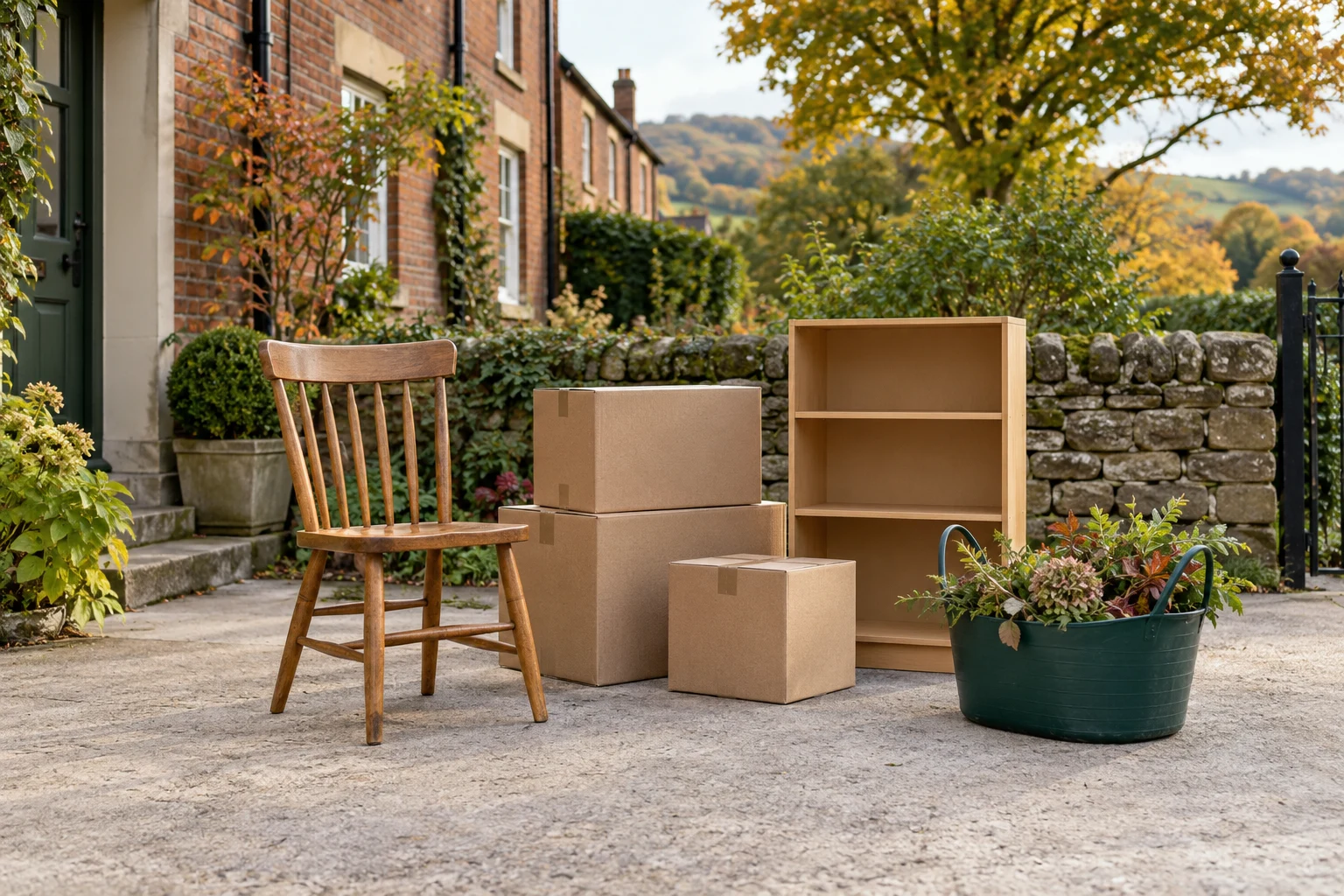
Basement clearance needs a clear account of both the contents and the route out. A room below ground may hold ordinary household storage, large furniture or possessions affected by damp or water. The provider must know where the items are, what condition they are in and what assessment the proposed removal requires. A collection address and a room name are not enough to establish that scope.
For households in Leeds, Bradford, Wakefield, Huddersfield and Halifax, begin with information you can obtain appropriately without entering an unsafe space. Identify known possessions, record concerns and distinguish removal from the basement from collection at another agreed point. Do not make heavy carrying an informal preparation task merely to fit a simpler price category.
This guide introduces an original contents-and-route brief. It helps keep item decisions, access questions and water-damage observations separate, so each can be reviewed by the appropriate person. It does not assess structural safety, flood hazards, contamination or electrical conditions from a photograph, and it does not provide a cleanup method for damaged or uncertain material.
Define the basement job before counting items
Write down the intended outcome. You may want a defined furniture group removed, access to retained storage or an assessed clearance of the contents. Those requests differ from cleaning, repair, drainage work or alteration of the building. Identify which task you are asking a waste provider to review and which tasks belong elsewhere.
State whether items remain below ground. If the household plans collection from a ground-floor point, record who is responsible for any prior movement and whether that task has an appropriate arrangement. Do not describe basement removal as outside collection while leaving the carrying responsibility unresolved. A change in collection position can change the whole quotation.
Keep installed fixtures and services outside an ordinary contents instruction. Wall-mounted units, connected appliances, pipes and structural components are not automatically included because they occupy the room. If removal of any such item is proposed, ask the appropriate competent person to assess preparation and responsibilities before treating it as ready waste.
Identify the person authorised to decide what leaves. Another household member, landlord or relative may own stored items. A provider's ability to quote a cabinet does not establish the customer's right to discard it. Keep those ownership decisions in the household record and share the approved scope rather than asking the collector to choose on your behalf.
Use a contents register with visible limits
List known groups by their actual location: front area, rear shelving or room beside the stairs, for example. Use references that the household contact can recognise. If part of the basement is unobserved or inaccessible, say so. An inventory should distinguish known contents from the request for further assessment.
Record item type, quantity basis and condition. A confirmed count of four chairs is different from a memory of several chairs. A photograph showing part of a stack is not proof of its full quantity. Label estimates and explain what remains uncertain, so the provider can decide whether a survey or further information is needed.
Give each group a decision: retained, returned to owner, proposed reuse, proposed waste or held for review. These are planning labels rather than disposal classifications. They are especially useful when water damage has led to a rushed desire to clear the room, but possessions still need an authorised decision before leaving.
Keep the register dated. If household members retrieve belongings or more items are found, issue an updated list before confirming the scope. The provider should not receive a current count beside an old photograph without an explanation. A simple version reference prevents the quote, handover and completion record describing different jobs.
Describe the route as a sequence
Write the proposed route from storage to the collection vehicle in stages. It may involve the basement doorway, a staircase, a hall, an outside path and a loading point. Some properties have an external entrance, while others require movement through occupied rooms. The provider needs the actual sequence, not an assumption based on the basement's location.
Use existing measurements where they can be supplied appropriately. Identify what has been measured and by whom. A doorway width, stair turn and cabinet dimension are separate facts. Do not guarantee that an item will fit because one number appears adequate; ask the provider to assess the movement with the relevant information.
Describe changes since the items arrived. Furniture may have been placed downstairs before a partition or door was installed. A previous removal of a similar item is not evidence that the current route is suitable. State what is known about the present arrangement and keep unknown features as questions for review.
Include the final vehicle access. Steps outside, shared passages, parking restrictions or a controlled gate may affect a job even after the items leave the basement. Obtain relevant permission for the proposed loading arrangement. A postcode locates the property but cannot establish permission to occupy a shared access route.
Record lighting and water observations without a safety claim
Tell the provider about known conditions relevant to assessment, including limited visibility, standing water, damp-damaged possessions or an area you cannot appropriately access. Record observations rather than a diagnosis. A photograph of a wet box does not establish the cause, extent or hazard of the water affecting the room.
Do not enter a flooded or otherwise unsafe area to improve the quotation evidence. A basement clearance enquiry should not require switching on equipment, testing electrics or moving water-damaged contents before appropriate advice. This article provides no flood response, electrical assessment or contamination-cleanup instructions.
Where conditions are concerning, refer them to an appropriate competent person and tell the proposed collector that ordinary removal is pending that review. A deadline or an offered price does not remove the need to assess the work. The provider may need to revise or decline a scope based on actual conditions.
Keep the tasks separate in the project plan. Contents collection, assessment, cleaning and repair can involve different organisations and evidence. A waste removal invoice does not prove the room is safe to use again. Ask the relevant provider what result its service establishes and avoid describing one completed task as completion of every basement issue.
Treat water-affected material as a condition question
Describe whether the item is visibly wet, stained, deteriorated or otherwise changed, without guessing a technical classification. Tell the provider whether the condition information is current. An image taken before a water incident may still identify the furniture, but it does not describe its present state or collection requirement.
Ask about acceptance of the actual material and condition. A reuse recipient who might accept a dry cabinet may decline a damaged one. An ordinary collector may need more information before taking water-affected contents. Do not assume that all damaged possessions belong in the same routine load because the household intends to discard them.
Do not dry, disinfect, cut apart or otherwise treat uncertain material based on a general clearance guide. Obtain the appropriate advice for the condition and planned work. This article's contribution is an honest description and a clear responsibility boundary, not a procedure for converting damaged material into an accepted waste stream.
Use a held-for-review group where needed. That allows a provider to distinguish straightforward accepted items from unresolved contents without losing track of them. After review, update the record with the actual decision and accepted route. Avoid replacing uncertainty with a confident phrase such as ordinary rubbish unless that description is properly supported.
Identify containers, electrical items and building material separately
Stored paint, maintenance products and unidentified containers need their own entries. Record visible intact-label information only where it can be obtained appropriately. Do not open or mix contents for identification. The paint and solvent guide provides a collection-planning inventory without chemical treatment instructions.
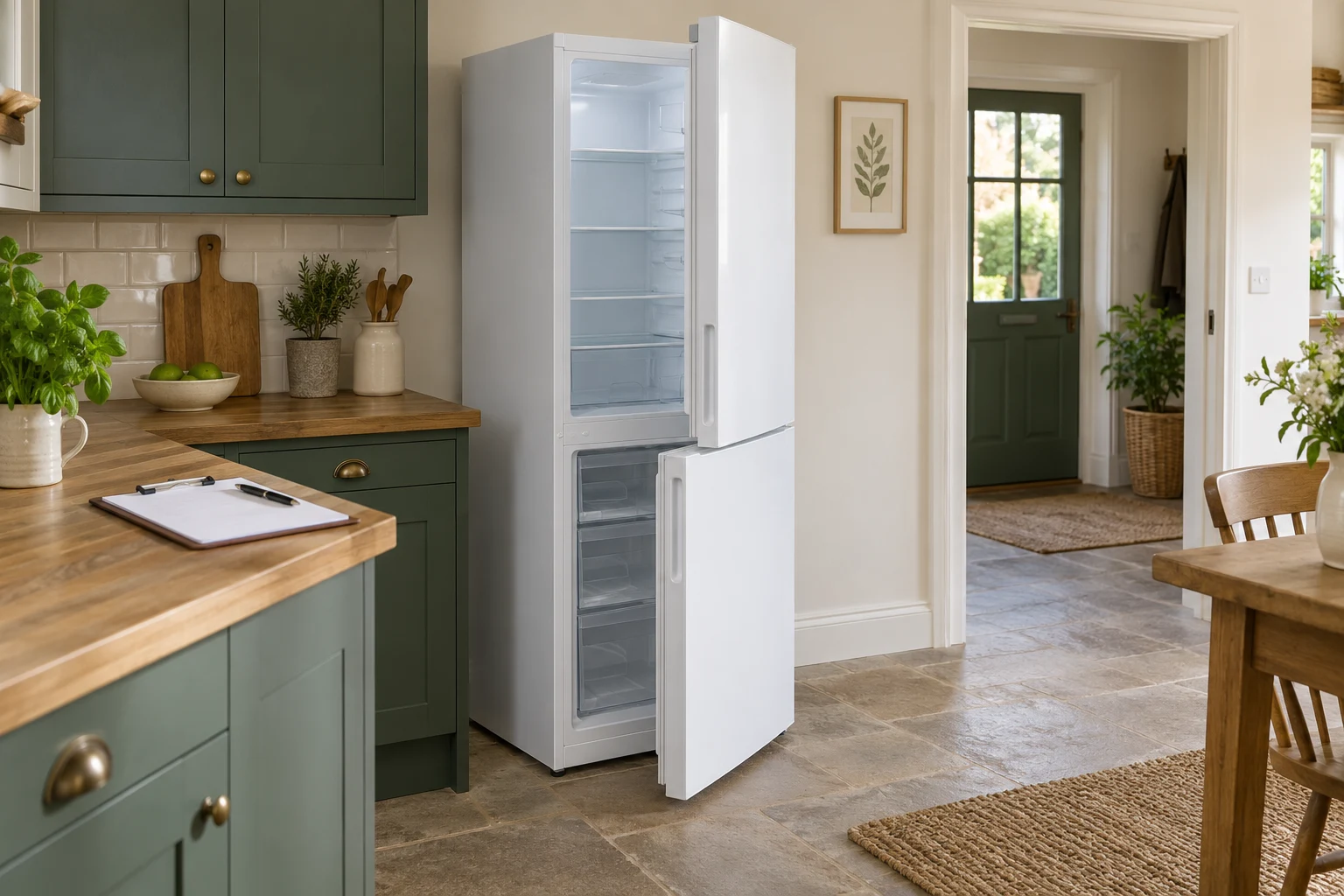
Electrical equipment should be described by item, condition and current connection status. A waste collection is not automatically an appliance disconnection service. Ask the appropriate competent person about preparation and tell the collector what will actually be ready. The fridge-freezer guide explains why appliance handling and accepted routes matter separately from general furniture removal.
Keep loose contents distinct from material attached to the building or generated by a contractor. GOV.UK household guidance explains that construction or renovation waste produced by hired tradespeople is business waste. If basement work is underway, obtain a clear account of the contractor's waste responsibilities rather than adding everything to the household contents enquiry.
Where a material is unidentified or suspected to need specialist assessment, record the concern and avoid disturbing it. This guide does not diagnose asbestos or provide sampling advice. A normal collection form should be able to hold an item for review instead of requiring the customer to select an unsupported ordinary category.
Plan the carrying responsibility explicitly
Ask whether the proposed service includes removal from the basement and what assessment is needed. Some providers may offer collection only from an agreed presentation point. Others may review internal removal. The household should not infer the scope from the words full clearance or assume all carrying is included in a short quotation.
Do not supply an unsupported item weight as measured fact. If you have reliable product information, identify its source and whether it applies to the actual item. A damp condition or additional contents can change what the provider needs to assess. Describe the current item and let the appropriate team determine the movement requirements.
The HSE manual handling guidance explains avoiding hazardous handling where possible, assessing unavoidable tasks and reducing risk at work. It does not establish one safe weight for every staircase or load. This is a reason for a planned provider assessment, not an instruction for household members to carry awkward material upstairs.
If separate preparation is required, name the responsible party and readiness condition. A cabinet is not ready for collection merely because a date has been selected. Where the preparation cannot be confirmed, revisit the scope and schedule. Do not let an unresolved movement task become an assumption passed between the household and collector.
Photograph what is known and say what is missing
Use appropriate current images of the approved items and the ordinary access route where they can be obtained safely. An overview should identify the visible groups; detail images can show condition or dimensions. Mark any photograph that shows only part of the room or predates a change.
Do not enter a concerning area, move unstable storage or disturb unidentified material to improve the images. If the evidence cannot be obtained appropriately, explain the limitation and ask whether a suitable survey or assessment is needed. A provider cannot make a sound decision if the customer conceals the reason photographs are incomplete.
Check for private records, security details and other people's possessions before sharing. The waste photography guide explains a practical evidence sequence. Photographs support visible description; they do not certify a structure, establish electrical safety or decide the classification of an unknown substance.
Link each image to the register. If a box is removed by its owner or furniture is moved through an authorised process, update the reference. The person reviewing the quote should be able to reconcile the written scope with the pictures without guessing which version describes the planned collection.
Compare complete basement scopes
Give each suitable provider the same contents register, condition observations and route brief. Ask what it accepts, where removal begins and which tasks are excluded. A price for material presented outside cannot be compared directly with a reviewed service carrying accepted contents from below ground.
Clarify whether the amount is indicative or confirmed, how VAT is shown and what changes can affect it. There is no universal basement clearance price based on room size alone. Access, material and condition can change the work substantially. Use the quote comparison guide to identify the actual differences rather than choosing a headline without its assumptions.
Ask how the provider handles an unexpected condition or unlisted item on arrival. The agreement should allow that part of the work to be reviewed, not create pressure to proceed regardless. If only the accepted scope can be completed, record the remaining tasks honestly and assign responsibility for follow-up.
Before using a private household waste company, check the collecting business's upper-tier registration as GOV.UK advises. The carrier-check guide explains that step. Registration does not itself confirm competence for every basement task or acceptance of every water-affected material.
A fictional basement with an incomplete condition record
Imagine a fictional household wanting several stored cupboards removed. Its first photographs predate a water incident. The household updates the enquiry to state that the present condition is partly unknown and that ordinary removal requires review. These details illustrate planning only, not a real Yorkshire Waste Solutions collection or a standard service package.
The contents register distinguishes two approved cupboards, retained family boxes and closed maintenance containers. The route brief identifies an internal staircase and a shared outside passage. The household does not carry the cupboards upstairs to obtain an outside price or enter a concerning area to complete the images.
The appropriate assessment determines which work can proceed and what information remains needed. The collector reviews the accepted items and current conditions before confirming a scope. The containers stay outside the ordinary load until an appropriate route is established. A requested date remains provisional until the relevant decisions are complete.
After the agreed collection, the household records what left, what remained and why. Cleaning or repair work remains a separate task rather than being implied by an emptied area. The final register gives the next responsible person a clear starting point instead of an unqualified statement that the basement is fully sorted.
Keep the handover tied to the actual work
Where several providers are involved, make a short dependency record before scheduling them. It can identify which assessment must happen before contents removal, which preparation is separately agreed and which later task begins only after the accepted items have left. Do not give one contractor another contractor's responsibility by implication. Each party should understand the actual instruction it has accepted, while the household retains a clear view of the overall sequence.
Use a revised condition note if circumstances change between review and collection. A postponed visit, further water incident or changed access can affect the information the provider relied on. Report the changed fact through the agreed contact and ask whether the scope needs review. A current note is more useful than reassuring the team that the room is probably the same as it was when photographed.
Once the accepted work is complete, reconcile retained property as well as discarded items. Confirm where kept boxes or furniture remain and who controls any unresolved group. This is a household project check, not a technical room inspection. Its purpose is to prevent an incomplete task or a misplaced possession disappearing behind the broad phrase basement cleared. The result should support the next decision with factual information rather than a guarantee the collection service did not provide.
Have one household contact hold the accepted list and explain retained or unresolved items. Record any proposed addition before it is loaded and obtain the provider's acceptance and any required price review. The scope should follow the current register, not a memory of an earlier conversation.
Keep completion evidence with the quote and changes. A concise note identifying removed groups, exclusions and next actions is useful even when the project remains partly open. Avoid claiming a particular recycling result or a safe-to-use room without evidence from the appropriate service. Collection is one outcome within the wider project.
You can register with YWG and save collection details, photos and access information in a private listing draft. It does not confirm live basement removal, a date or payment service. A future enquiry should begin with an authorised contents list, truthful condition information and the carrying-route questions, followed by explicit acceptance of the actual scope.
Sources & editorial note
Current original sources and collected snapshots checked 3 October 2026. Original practical decision method and labelled fictional example. No unsafe access, specialist DIY procedures, classification guarantees, invented prices, registration, coverage or available YWS service. YWG is opening soon; live collection bookings and payments are not yet available.
AI-assisted original editorial content, checked against the sources above. No professional qualification or firsthand YWS job experience is claimed.