Letting agent clearances: a repeatable property handover workflow
Create a letting-agent clearance workflow: authorised property scope, private photographs, access, quote variations and completion with exceptions.

A letting agent clearance should start with a controlled property handover, not a request to empty everything left inside. The agency needs to know which items are authorised for removal, what belongs to the property, what still needs an ownership decision and how the collection fits other work. A repeatable workflow makes those decisions visible without pretending that every vacant home contains the same load.
This guide offers an original planning method for letting agents managing properties in Leeds, Bradford, Huddersfield, Wakefield and across West Yorkshire. It covers collection scope, photographs, access, commercial waste responsibilities and completion records. It does not determine legal rights over belongings, tenant liabilities or deposit deductions. Those decisions must be resolved through the appropriate advice and the agency's authorised processes before disposal.
Put a permission gate before the waste inventory
Identify the person who can authorise removal for each property. That may be different from the person holding the keys or arranging repairs. Ask for an explicit scope rather than interpreting a general instruction to prepare the property for marketing. An instruction to inspect a room does not automatically permit the disposal of its contents, and a clearance provider should not have to make that decision.
Use a holding status for any item whose ownership or disposal permission is unresolved. Keep the status visible in the property record and collection brief. Do not turn uncertainty into an assumed waste quantity to obtain a quick quote. A smaller confirmed scope can be assessed while the agency resolves other questions, provided the excluded items are clearly identified and kept out of the instruction.
Record the authority, date and exact inventory version approved. If the landlord later changes the scope, preserve the change and tell the provider before attendance. This is an operational control rather than a legal form prescribed by this article. The aim is to ensure that the collection instruction matches the authorised decision at the time items leave.
Establish the waste origin and applicable route
The waste duty of care code specifically distinguishes waste from clearance after premises are vacated, including landlord or letting-agent clearances, from household waste. Do not assume a domestic address makes an agency-arranged clearance eligible for a household service. The activity producing the waste and the applicable service conditions need to be considered.
Check the particular council offer if it is being considered. Leeds' unwanted-items collection page states that its service is for private residents and cannot be used by landlords or businesses. That is a Leeds service condition, not evidence that every council has an identical policy. Ask the relevant authority about another area's route instead of copying one local rule across Yorkshire.
Identify the actual waste producer and collection customer in your records. An agent may coordinate the job on somebody else's behalf, but that does not make the description of the work unimportant. Explain the arrangement to the provider and agree the applicable commercial route and documentation. Our business waste guide provides a broader starting point for those questions.
Create a per-property scope sheet
Give each job a property reference and a collection address. Record the inspection date, authorised contact and current scope version. Use separate entries for each room or external area, even if the quote will be combined. That helps the agency confirm what is included and prevents an instruction for one property from being reused with old quantities at another.
Each entry should describe the item type, quantity, visible condition and location. Furniture, mattresses, appliances, bagged contents, garden material and refurbishment waste should not share one description called assorted rubbish. Add dimensions or size descriptions when they affect access. If bags are closed and contents are unknown, state that uncertainty instead of inventing a general household description.
Include a clear list of exclusions. Retained furniture, unresolved belongings, fixtures and another contractor's waste may all need to remain. An exclusion should identify the item and location well enough for the crew to recognise it. A vague note saying leave anything valuable delegates a decision that the collection team is not being engaged to make.
Before sending the enquiry, have another authorised member of the agency read the scope as though they had never visited the property. Can they identify the collection entrance, recognise what stays and see which quantities are estimates? If not, amend the brief before requesting offers. This desk check does not replace an inspection or decide disposal rights. It tests whether the instruction will survive a handover between people. Keep any correction in the version record so the original inspector, quoting provider and collection contact all work from the same description instead of several slightly different interpretations of the job.
Photograph for collection, not for public marketing
Take an overview of the relevant area and useful detail photographs of unfamiliar items or access constraints. Keep private correspondence, identity documents, screens and personal information out of images shared for quoting. A vacant property can still contain sensitive information. Review the photographs before sending them outside the agency, rather than assuming that absence of occupants makes every image suitable.
Match photographs to the scope sheet using property and room references. A collector should be able to connect a photograph of a mattress to the count and access description, without receiving an unlabelled album from several addresses. If the scope changes after the inspection, explain which photos remain representative and which show excluded material. The written instruction controls the final scope.
Use our waste photography guide to structure the images. Avoid compressing the brief into one wide shot that hides smaller streams behind furniture. Photos help assess quantity and movement, but they cannot establish ownership, chemical composition or permission to dispose of an item. Those remain separate decisions.
Separate furniture, bedding and specialist questions
List mattresses, bed bases, upholstered seating and other furniture independently. An armchair and a mattress may need different assessment and acceptance questions even when both came from a bedroom. Do not use the word furniture as a substitute for a useful inventory. A provider can give a more meaningful response when item types and conditions are visible from the start.
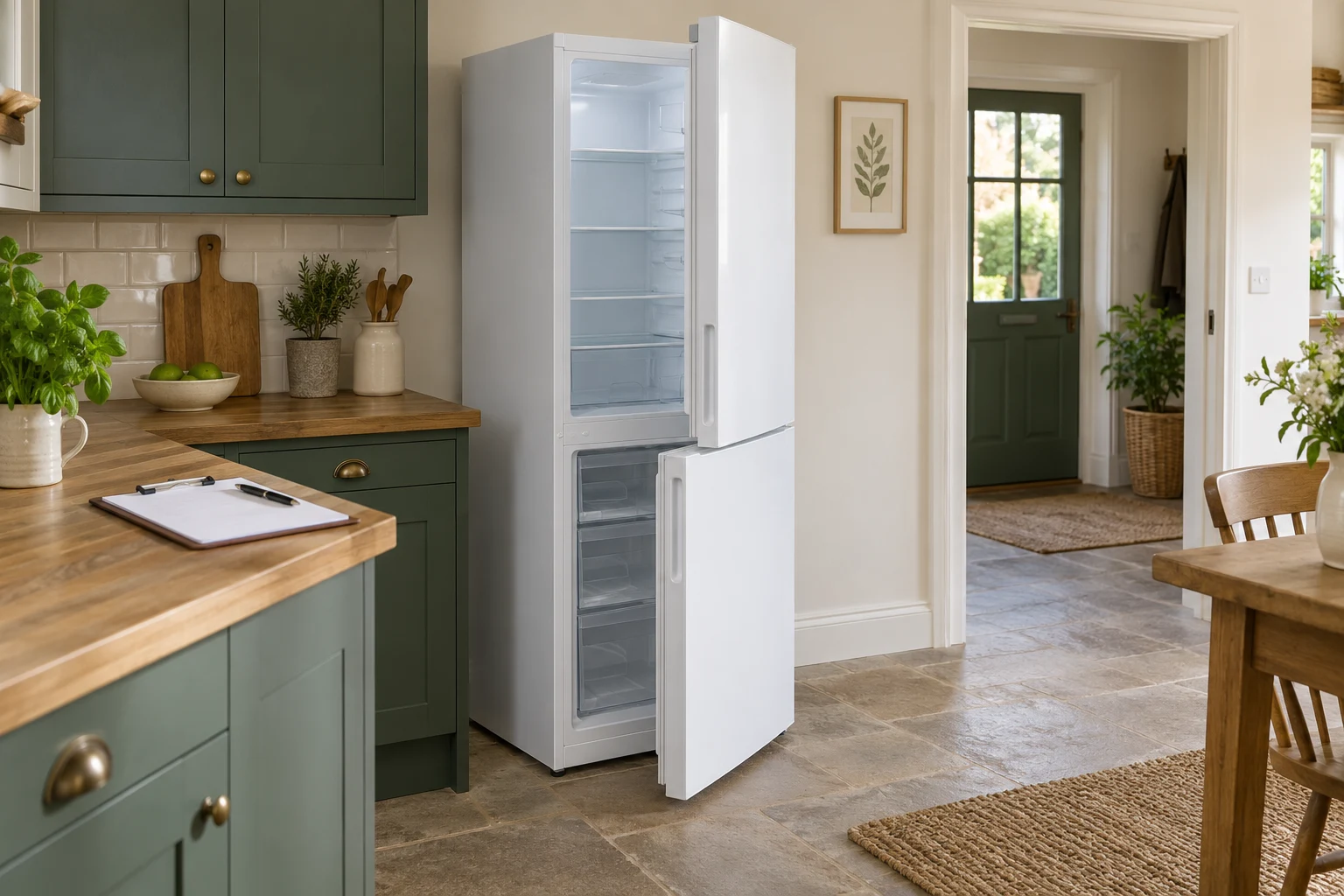
Identify appliances and electrical equipment separately, including refrigeration equipment. Leave technical assessment and handling to the appropriate provider; do not remove parts to make an item resemble ordinary scrap. The fridge and freezer guide explains useful description questions. It does not confirm that a household retailer or council service accepts an agency's commercial clearance.
Unknown containers, suspected hazardous materials, unusual contamination and items affected by infestation should be disclosed before a route is agreed. Do not open bags or disturb suspect materials merely to improve a quote photo. Ask for the appropriate assessment and keep unresolved items outside an ordinary collection scope. The provider's confirmed exclusions should be reflected in the agency's instruction.
Distinguish the clearance from refurbishment work
Repairs and redecoration can create waste after the original inspection. Record which contractor produces each stream and who has agreed to arrange its removal. A collection quoted for abandoned furniture should not silently expand to include stripped flooring, paint containers or building debris. Those additions can change the material route as well as quantity and price.
Coordinate the sequence with cleaners, electricians, decorators and other contractors. If the clearance crew arrives before authorised items are available, attendance may not achieve the planned handover. If they arrive after new fittings are installed, the movement route may be different from the one photographed. Put the actual release point and access window into the brief rather than using a general completion deadline.
When several contractors attend, identify who controls the collection area and scope changes. A tradesperson should not add material to a confirmed load without the responsible decision and provider acceptance. Keep new streams on an additions list for review. This protects the clarity of the quotation and helps the agency maintain a useful record of who arranged each part of the work.
Confirm access at the property level
Record where the vehicle can arrive, which entrance the crew should use and how keys or access instructions will be supplied. A listing address may not identify a rear access road or shared loading position. Include steps, floor level, lift availability and relevant door or corridor constraints. A provider cannot plan movement accurately from postcode and room count alone.
Check shared areas and building procedures through the appropriate contact. Do not assume that a collection can use a communal hallway, lift or parking space whenever it wishes. Tell the provider about known restrictions and obtain the required arrangements before confirmation. This article does not grant access rights or replace the site's own safety procedures.
Avoid sharing access codes more widely than necessary. Use an appropriate business process for supplying them to the confirmed provider and changing instructions when required. Name a collection-day contact who can resolve an access failure. If the agent will not be present, the handover should state exactly who can confirm entry and approve any change to the agreed collection position.
Turn inspection into a quote-ready brief
Send the authorised inventory version, photographs, origin of the waste, address, access details and desired collection window together. Make uncertainty visible. A quote based on ten known items is different from a request to inspect and price an unknown full-property clearance. State whether you need collection from rooms or whether approved items will be presented at a specific point.
Ask the provider to identify accepted streams, exclusions, movement responsibilities, quantity assumptions and the process for variations. Request a clear charge basis and any applicable additional costs. Our quote comparison guide helps compare like scopes. There is no assumed price per property, room or van load in this guide.
If several addresses are being discussed, give each its own scope and access brief. A portfolio relationship may simplify administration, but it does not make different properties physically identical. Ask whether the offer is per visit, per property or based on another stated measure. Keep commercial savings as an assessed offer rather than promising a discount because multiple jobs are available.
Control changes before collection
Use a simple change record: item or quantity changed, reason, authorisation, provider response and revised scope version. That lets a manager distinguish an approved addition from an item somebody placed near the collection area. Confirm changes before attendance where possible. The collection team should have one current instruction rather than several conflicting messages from landlord, agent and contractor.
If a new item requires assessment, keep it pending rather than adding it to the ordinary load. The provider may need another route or may decline it. A collection can proceed with the confirmed scope while an excluded item remains, provided that arrangement is explicit and workable. Do not mark the whole property cleared if unresolved material is still present.
Record price changes through the agreed approval process. A landlord's permission to remove an item and authority to accept an extra charge may sit with different people. Make both clear to avoid a collection crew being asked to negotiate a commercial decision at the doorway. A controlled variation process supports quicker decisions because the responsible person already knows what information is needed.
Check the provider and collection records
Check the proposed waste carrier and receiving arrangements appropriate to the material. Our carrier-check guide explains the difference between transport registration and site permissions. Do not claim that a familiar supplier is suitable for every specialist stream. The collection route still needs to match the waste being transferred.
Connect the collection reference and scope sheet to relevant waste documentation. For applicable non-hazardous transfers, the transfer-note guide explains the information and retention requirements. A key handover receipt or invoice can support the property file without replacing the waste records required for the particular transfer. Ask the responsible people to check that the description matches what actually leaves.
Keep personal property records appropriately controlled within the agency. A shared waste folder does not need every tenancy document or dispute email. Use references that allow authorised staff to locate the relevant permission and scope without sending unnecessary personal information to the provider. Clear records should help explain the collection, not expose unrelated information about former occupants.
Complete the handover with exceptions visible
After collection, compare the completed scope against the authorised inventory. Record what left, what remains and why. If an item was inaccessible or excluded, assign the next action and responsible person. A completion photo can support the record, but it should not turn a partial collection into a statement that everything has been cleared or treated through a particular recovery route.
Tell other contractors which areas are now available and which remain unresolved. Update the property handover checklist before arranging marketing photography or another visit. This closes the gap between the waste job and the wider letting programme. It also prevents another team from requesting removal of an item already dealt with or assuming a remaining specialist item belongs in the ordinary bins.
Review the workflow across completed jobs using practical exceptions: unclear permission, changed count, failed access, unsuitable material and missing records. Avoid comparing properties only by total spend, because their scopes may differ substantially. Use the review to improve inspection and handover rather than inventing a standard clearance price for every two-bedroom property in West Yorkshire.
A fictional two-property handover
Imagine an agency inspecting a flat in Bradford and a house in Leeds. The flat has authorised furniture removal but an unresolved box of belongings. The house has appliances, a mattress and decorating waste controlled by another contractor. The agent creates separate scope sheets rather than sending one instruction to clear both properties. These details are illustrative, not records of real tenancies or actual YWS collections.
The provider receives the approved item lists and each property's access constraints. The unresolved box remains outside the instruction, while the decorating contractor's route is confirmed separately. After attendance, the agent reconciles the authorised inventory with the collection and lists outstanding items. The workflow does not determine any ownership dispute; it ensures the waste instruction follows decisions already made by the appropriate people.
Prepare a repeatable enquiry
For a remotely managed job, agree how the provider confirms arrival, raises an exception and records completion. Give them a business contact available during the planned window. Specify which changes require approval before proceeding, and do not rely on an unanswered message as permission to remove an additional item. If the responsible person cannot respond, the confirmed instruction should explain how that item remains pending.
Keep the end-of-job decision separate from the start-of-job permission. The agency may need to verify that retained furniture remains, that keys have been returned through the agreed arrangement and that the property is ready for the next contractor. Set out the evidence required before attendance so nobody expects the crew to recreate missing photographs after leaving. This also clarifies what collection completion actually means.
When a new staff member takes over the portfolio, hand over unresolved collection issues with the property references and latest scope versions. A concise exceptions list is easier to act on than an inbox full of past enquiries. That continuity is valuable even for a small agency: the workflow should survive a change of negotiator without turning an uncertain item into an assumed disposal instruction.
Use the same control stages for each property: authority, inspection, stream identification, access, quote, confirmed instruction and completion with exceptions. Keep the details specific to the address. The YWG dashboard lets you save collection details, photographs and access information in a private listing draft. A carefully authorised, property-specific brief is the useful starting point for an appropriately checked provider.
Sources & editorial note
Primary snapshots and current original sources checked on 3 October 2026. Original per-property authority and scope-version controls, remote collection escalation and exception handover. No tenancy rights, deposit deductions or disposal permission invented. Vacated-premises clearance distinction scoped to duty code; Leeds exclusion not generalised. No fabricated prices, licences, coverage, operational YWS service or ranking promise. YWG is opening soon. Live collection booking and payment are not yet available.
AI-assisted original editorial content, checked against the sources above. No professional qualification or firsthand YWS job experience is claimed.