Bradford bulky waste collection: what to check before booking
Plan bulky waste collection in Bradford with current council checks, furniture reuse routes, upholstered seating questions and a practical item-routing worksheet.
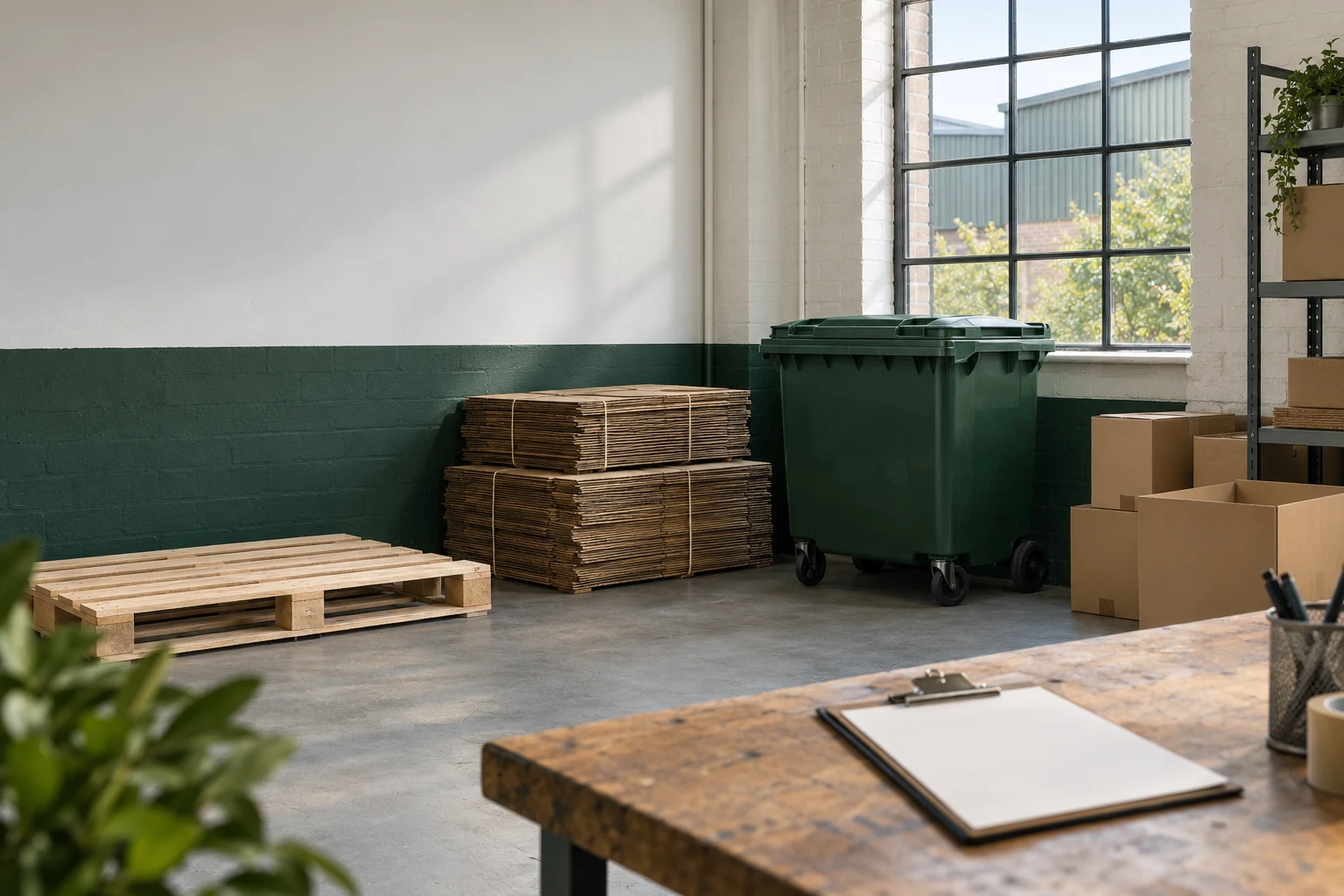
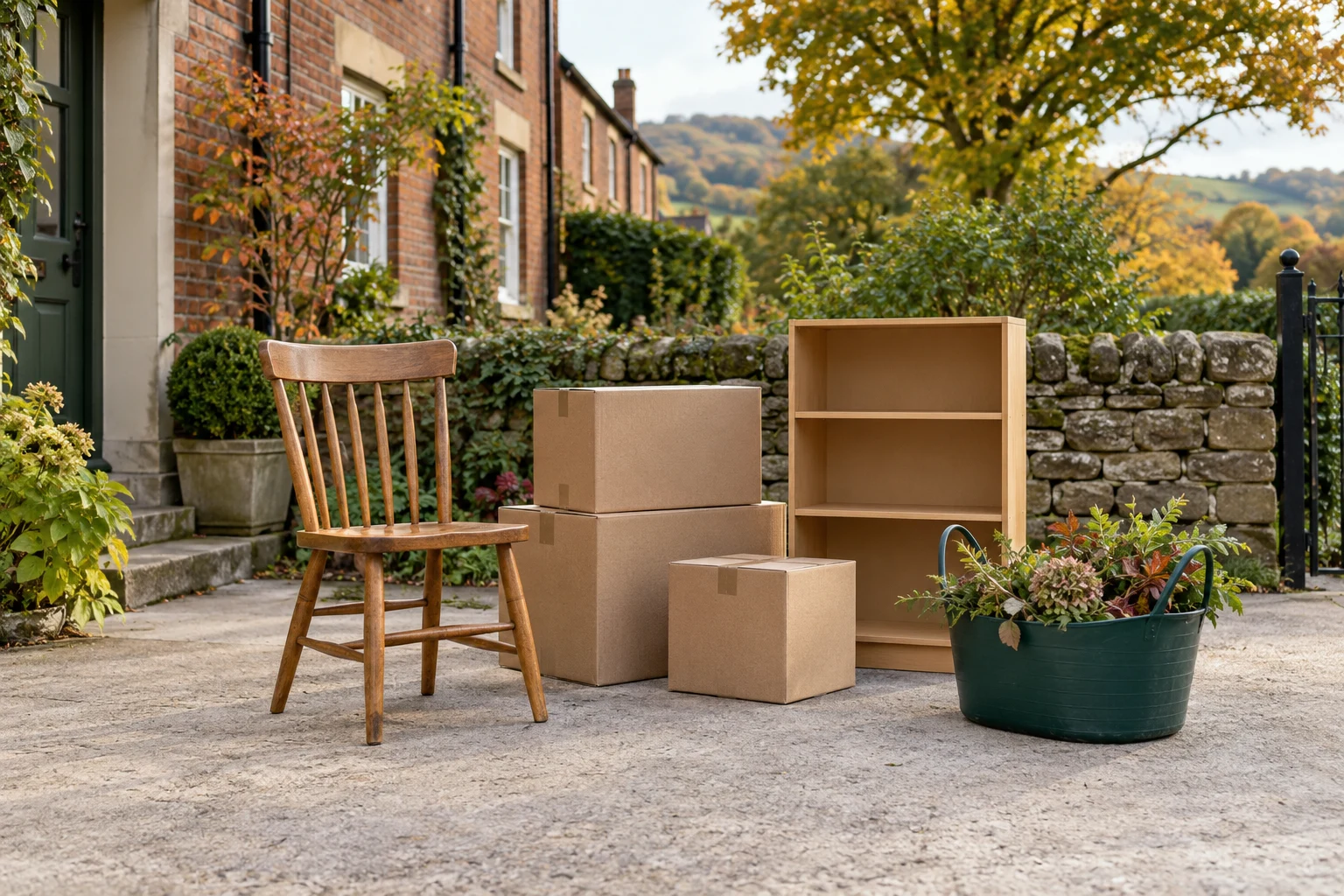
Before booking bulky waste collection in Bradford, separate three decisions: which items are genuinely ready to leave, which service accepts them and what work is needed to present or remove them. A household furniture collection, a private indoor clearance and a commercial property clear-out can involve different responsibilities. Choosing a route before describing the job can leave important items or loading work unresolved.
Bradford's council service has its own item list and presentation arrangements. Those should be checked directly rather than borrowed from another West Yorkshire authority. Whether you live in Bradford, Shipley or Keighley, use the current service information and your property's eligibility to establish the right starting point. A familiar local place name is useful context, but it does not confirm a booking or a provider's coverage.
This guide brings together a short council snapshot, an original item-routing worksheet and a fictional household example. It also explains why upholstered seating needs a clear description and how to compare private removal when the council route does not match your requirements. The aim is a collection plan you can explain, with uncertain items kept visible rather than hidden inside a general request to clear everything.
Read Bradford's current service snapshot
Checked on 3 October 2026, Bradford Council's bulky collection page advertises £30 for up to three bulky items from eligible domestic properties, booked for residents' own household waste. Its crews do not enter homes or outbuildings. It excludes commercial waste, including landlords' waste, and loose bags or boxes. Payment is required before collection. Upholstered seating has separate collection arrangements. Check the full accepted-item list and current instructions before booking; this is a council price, not a Yorkshire Waste Solutions tariff.
Use that snapshot as an initial filter rather than treating it as a complete set of terms. The linked page gives the authority's current booking, presentation, amendment and cancellation information. Read it alongside your actual inventory. If an item does not clearly match a listed description, ask the council rather than inventing an item category that seems likely to be accepted.
Keep the council confirmation with the final inventory. A note made while researching options is not a reservation, and an available date can change before a booking is completed. If timing matters because of a move or replacement delivery, confirm the actual arrangement before planning other work around it. Let the confirmed service instructions determine the preparation you undertake.
Build an item-routing worksheet
Instead of starting with a single pile, give each intended item a line in a worksheet. Use six columns in a notebook or spreadsheet: description, owner, condition, location, possible route and unanswered question. This is an original planning method, not an official council form. It helps you see which decisions are ready and which still need an answer.
For the description, identify the object rather than writing “furniture”. For location, record where it presently stands and any floor or access constraint. For ownership, identify who can authorise it leaving. Condition matters when considering reuse, but it should be described honestly rather than improved for a listing. The possible route remains provisional until the relevant organisation accepts the item.
Useful unanswered questions include whether a provider collects from indoors, whether a recipient accepts the condition, or whether a specialist assessment is required. Do not fill an unanswered field with an optimistic assumption just to complete the sheet. The visible gap gives you a precise question to ask before paying or arranging a collection date.
Keep retained items on a separate list. During a room change, the new furniture, spare cushions and a family member's belongings may sit close to the intended collection. Explain those boundaries to everyone helping. A clearly defined collection is easier to communicate than a general instruction to remove whatever appears unwanted on the day.
Check reuse before treating furniture as waste
Some unwanted belongings still have a useful life. Bradford Council's reuse page lists local furniture organisations and other ways to give away or sell usable items. It includes Keighley Furniture Project and Newlands Furniture Service among the local contacts. That is a starting directory, not a guarantee that a particular organisation currently accepts your item or has a suitable collection slot.
Before choosing that route, ask the intended recipient what it needs to assess the item. Supply an honest condition description and relevant photographs, then wait for acceptance. Do not plan around an assumed donation collection merely because the organisation appears in a directory. Keep any agreed arrangements separate from the waste collection inventory so the same item is not promised to two different recipients.
Agree what happens if reuse is declined. A recipient may need more information, have limited capacity or decide the item is unsuitable. Leave time for an alternative route rather than relying on a last-minute assumption that another collector will take it at the same price. The practical benefit is a realistic plan, even if the eventual route changes.
Avoid making reuse decisions for unfamiliar materials or potentially unsafe equipment without the appropriate assessment. This guide does not determine whether an object is legally a product or waste, or certify it safe for another person. If that distinction is important, seek the relevant advice and follow the receiving organisation's requirements. An attractive photograph alone cannot establish suitability.
Describe upholstered seating separately
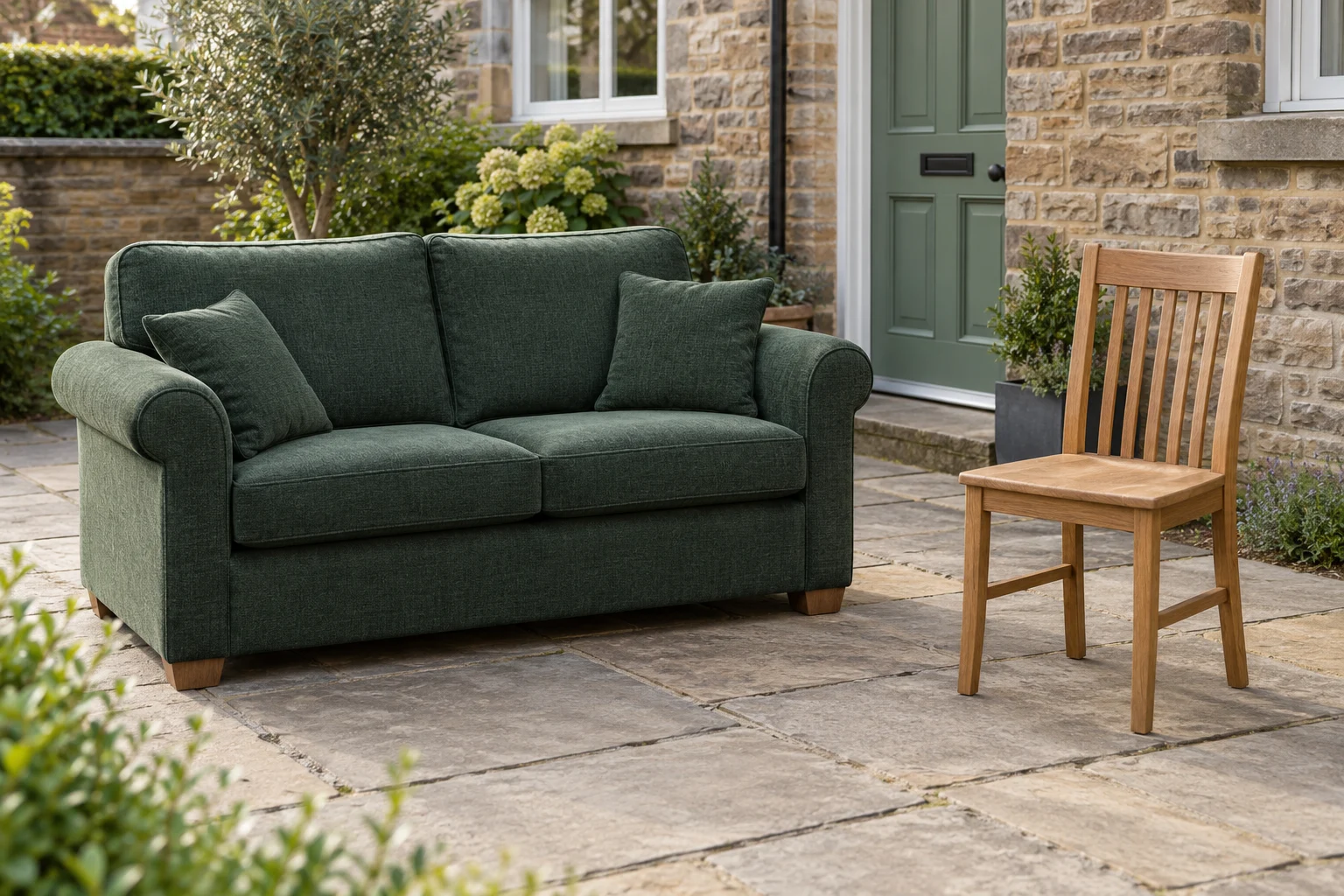
A sofa or cushioned chair needs a clear description within your inventory. The Environment Agency's upholstered domestic seating guidance, updated in July 2026, addresses waste seating that may contain persistent organic pollutants, or POPs. It requires appropriate segregation and a destruction route for seating waste containing POPs. Mattresses are outside that particular seating guidance; that does not establish every mattress's composition or disposal route.
For your enquiry, identify each seating item and state whether it is upholstered or cushioned. Keep it distinguishable from a wooden table, a plain chair or a mattress. Ask the collector to confirm the arrangements for the described items. Do not infer that all furniture can enter one ordinary mixed route because it came from the same room.
Leave the item intact while seeking collection advice. Do not cut open upholstery, remove foam or attempt home testing to decide what substances it contains. A visual inspection or an image-assisted quotation cannot certify chemical content. The appropriate operator should assess the material and route; your role in the enquiry is to describe the item accurately and disclose uncertainty.
If you are deciding between reuse and disposal, explain the item's condition and ask the relevant recipient or operator about acceptance. Do not treat the presence of upholstery as proof that every usable sofa must be destroyed, nor treat a hopeful donation enquiry as proof that waste rules do not apply. The decision needs an appropriate assessment of the actual item and circumstances.
Separate bulky objects from the rest of the clear-out
A room clearance may include more than the large furniture that first catches your attention. Make a separate inventory for loose belongings, containers, electrical items and anything unfamiliar. The right route for one object does not automatically cover everything beside it. This separation helps prevent a partial collection being mistaken for a plan to clear the whole room.
Count containers and describe known contents without opening or emptying anything unnecessarily. If a box contains a mixture that has not been assessed, say so. Where you are helping someone else clear a property, obtain permission before sorting personal belongings or committing them to removal. Keep sensitive papers and items awaiting decisions out of the confirmed waste inventory.
Ask each potential provider which parts of the inventory it accepts and which remain outside the offer. Record the answer in the routing worksheet. A split plan can be entirely workable if everyone understands it: one recipient takes a reusable item, one service removes agreed furniture, and another appropriately assessed route deals with the remaining material. The difficulty arises when those boundaries stay implicit.
For wider preparation, our West Yorkshire household planning guide explains how to organise an inventory and consider different disposal options. Use it to prepare the whole clear-out, then return to the service-specific instructions for the items you intend to book. General preparation cannot replace acceptance by the actual collector.
Assess whether you need indoor loading
Where an item stands affects the service you need. Write down whether it is in a downstairs room, upstairs bedroom, garage or rear garden. Explain the route to the proposed collection point. A price for items already available outside does not by itself include carrying them through a house. Resolve that difference before comparing offers.
If you cannot safely present the items as a service requires, ask about an appropriate alternative instead of attempting difficult lifting. A private collection may offer indoor loading, but confirm that explicitly for your inventory and access. Describe stairs, tight turns and lift arrangements. The provider may need additional details or a visit before deciding how the work can be undertaken.
Do not dismantle furniture solely to make an enquiry appear easier. If an accepted service requires particular preparation, first establish whether it can be done safely and by the appropriate person. Where preparation is outside your capability, explain that before booking. A realistic loading arrangement is more useful than a lower price based on work you cannot carry out.
Record who will be present or available to resolve questions. If a relative arranges the collection while another person controls access, ensure they share the same inventory and instructions. Keep a backup contact for genuine access problems, with the authority needed to help. Avoid leaving the attending crew to reconstruct the agreement from several conflicting conversations.
Make the access information specific
Describe the suitable entrance and the route between the waste and the vehicle. A Bradford postcode helps locate a property but does not explain a rear gate, a shared passage or a courtyard entrance. Add clear access notes without placing private security details in a public enquiry. If permission from a neighbour or building manager is required, obtain it before promising that route.
Use photographs to show relevant features from a safe position. An overview of a doorway or passage can support the written description, but it does not prove that a bulky item will pass through it or that loading is safe. Our photo preparation guide gives an overview, detail and access sequence for enquiries, with practical privacy checks.
Explain known parking restrictions and uncertainties. Do not assume that a space visible in a photograph will be available at the collection time. Ask a private provider what it needs to assess vehicle access, while following the specific arrangements of any service you book. The collecting organisation should confirm the operational plan rather than relying on a customer's guess about its vehicle.
For a shared building, distinguish the entrance to the property from the entrance to the collection area. A crew can arrive at the right address and still be unable to reach the items. Confirm gates, keys and any agreed availability before the day. If something changes, tell the provider promptly rather than hoping the previous access notes remain adequate.
A fictional Bradford household decision
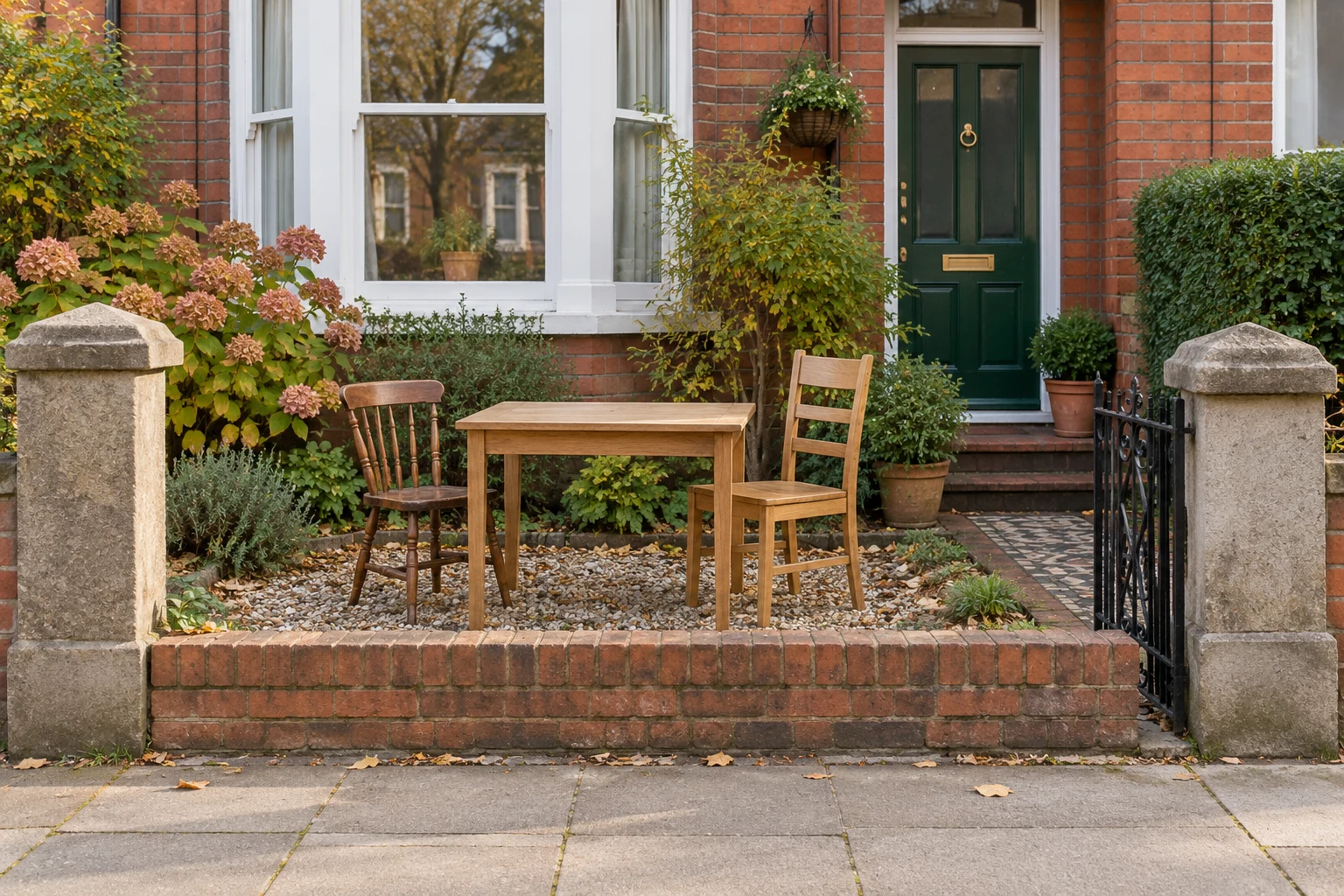
Imagine a fictional household replacing a sofa and reorganising a dining area. Its first list contains the sofa, an unupholstered chair, a small table and several closed boxes of belongings. The household initially looks for one collection price, but the routing worksheet reveals different questions: what can be reused, what the chosen service accepts and what is actually inside the boxes.
The household contacts a potential reuse recipient about the table, with an honest description, and keeps that arrangement provisional until accepted. It identifies the sofa separately and asks about the relevant collection route. It also clarifies the boxes rather than describing them as part of the furniture. This is an invented planning example, not a real Bradford customer's experience or a promise of acceptance.
Access changes the choice further. The items are still indoors, and the household cannot safely move the sofa to the required presentation point. It asks a private provider to assess indoor loading against the same inventory. The comparison now concerns a defined set of items and work, with unresolved material kept outside the confirmed scope. It no longer relies on a headline price for a different task.
No saving figure follows automatically from this example. The benefit is clearer decision-making: the household knows which belongings are staying, which route is being explored for each item and what must be confirmed. It can choose the arrangement that fits its access, timing and budget without pretending all offers describe the same collection.
Compare private offers against the accepted inventory
If private removal is appropriate, send the same dated inventory and access notes to each business. Ask it to confirm accepted items, loading work, exclusions and the total payable amount for that stated job. Where quantity or material remains uncertain, ask what further assessment is needed. Do not fill gaps with assumed charges taken from another service's website.
Our rubbish removal quote comparison guide includes a worksheet for that process. Its prices are explicitly fictional examples, not Bradford averages or Yorkshire Waste Solutions operating rates. The useful comparison is between complete confirmed scopes, including the work you need, rather than the lowest advertised starting figure.
Check the collector's identity as well as the offer. GOV.UK's household disposal guidance instructs household customers using a private collection business to check the official upper-tier waste carrier register. Match the business involved with the relevant record and clarify any different trading or invoice names. This article does not claim a registration status for Yorkshire Waste Solutions.
Record who will attend and whom to contact if a partner performs the collection. Keep the booking confirmation, inventory and payment information together. A polished website or a positive review can provide context, but neither answers every question about the specific job. Obtain the operational confirmations before paying for an arrangement that depends on them.
Keep household and commercial enquiries distinct
If the clearance arises from managing a rental property or another commercial activity, do not assume the household route applies because the building is a house. Identify the activity and the organisation responsible before requesting a service. A commercial brief needs its own accepted scope, provider checks and records; household furniture terminology cannot settle those responsibilities.
Our business collection manager's guide provides a site worksheet and handover process for that separate enquiry. Use it where the work is commercial, rather than trying to adapt an ineligible household booking. If you are unsure which route fits your circumstances, resolve that question with the relevant authority or provider before making arrangements.
Confirm the final plan before collection
Review the routing worksheet once more: every leaving item should have an accepted route or a clearly recorded outstanding decision. Check that the confirmed inventory matches what is actually present and that retained belongings are distinguishable. Read the booked service's current presentation and change instructions, then ensure the people helping understand them. Report changes before collection rather than adding undisclosed items on the day.
You can register with YWG and save collection details, photos and access information in a private listing draft. YWG is opening soon. Live collection booking and payment are not yet available. For a real Bradford collection, confirm provider coverage, accepted material, loading arrangements, timing and price through the relevant operating service before proceeding.
Sources & editorial note
- Bradford Council: bulky item collection and service rules
- Bradford Council: reuse, donation and local furniture contacts
- Environment Agency: waste upholstered domestic seating containing POPs
- GOV.UK: household disposal and private waste carrier checks
Official council and Environment Agency sources reviewed on 3 October 2026; household carrier guidance checked in the current research series. Brief council price snapshot is not a YWS tariff. Original routing worksheet and fictional household example are editorial suggestions. Upholstered seating guidance rechecked after July 2026 update; no DIY chemical identification or universal reuse acceptance claim.
AI-assisted original editorial content, checked against the sources above. No professional qualification or firsthand YWS job experience is claimed.